
The Rise of Multifunctional Spaces in Homes Maximising Every Square Metre, designed to serve more than one purpose, is a key ally in small spaces. This type of furniture optimises the use of every centimetre and can adapt to any room in the house.
Examples of multifunctional furniture:
- Sofa beds: Ideal for hosting guests or adding flexibility to your space
- Storage beds: Perfect for keeping clothes and objects tidy without occupying additional bedroom space
- Extendable or folding tables: Adjustable based on the number of people, ideal for small dining rooms or kitchens
- Mobile or wheeled shelving units: Allow easy access to what you need and can be moved from one place to another
Maximising Wall Space Shelves and Vertical Organisers
In a small house, walls offer an unparalleled opportunity to maximise space. Installing shelving, floating shelves, and vertical organisers allows you to maintain order without cluttering the usable floor area.
Ideas for wall use:
- Floating shelves: Add storage in any room whilst keeping the environment uncluttered
- Wall-mounted coat racks: Ideal in entryways and bedrooms, offering extra space to hang coats, bags, and other accessories
- Hooks and bars in the kitchen: Help keep utensils and tools within reach without occupying worktop space
- Mirrors with shelves: In bathrooms or hallways, these mirrors serve a dual function by offering extra storage space
Lighting and Light Colours: Creating the Illusion of Space
Lighting plays a fundamental role in small spaces. A well-lit environment with light colours creates a sense of greater spaciousness. Opting for soft, warm tones on walls, furniture, and textiles can make any room feel larger and more welcoming.
Tips for improving lighting:
- Maximise natural light: Keep windows unobstructed and incorporate light curtains to maximise light entry
- Light colours on walls and floors: Tones such as white, beige, or light grey can make rooms appear larger
- Strategic mirrors: Placing mirrors on walls helps reflect light and visually enlarges the space
- Multi-source lighting: Integrate ceiling, floor, and table lamps to avoid shadows and achieve uniform lighting
Hidden Storage Spaces: Order and Discretion
Hidden storage spaces allow you to keep the house tidy without overloading the furniture or decor. This is particularly useful in small houses, where clutter can make the space seem even smaller.
Ideas for hidden storage:
- Under-bed drawers: Offer discreet storage space for bedding, shoes, or other objects
- Chairs and tables with internal compartments: Many modern furniture pieces include additional storage space
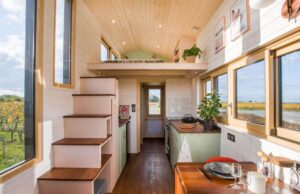
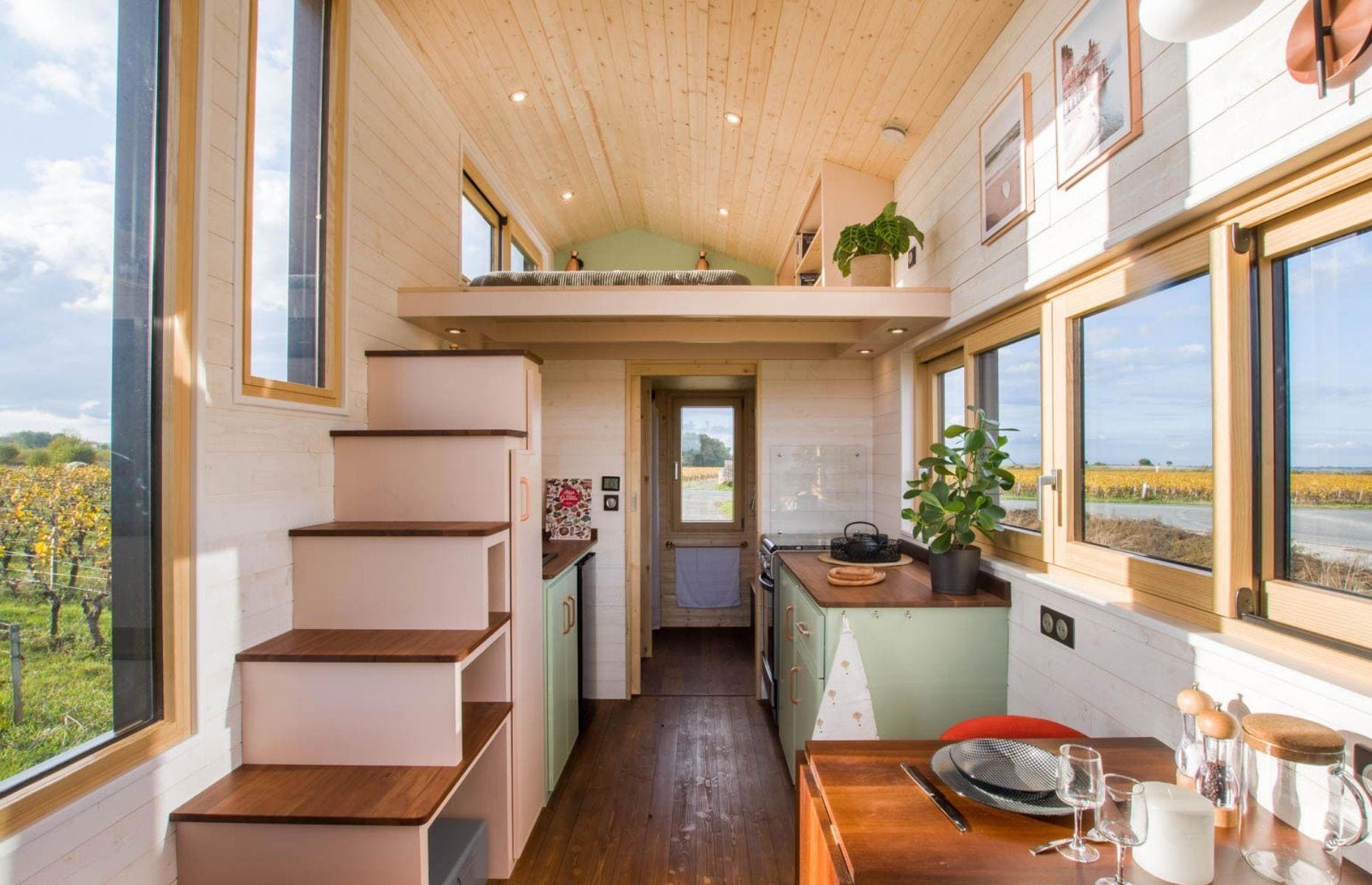
- Drawers under stairs: If you have a house with stairs, consider installing drawers in the steps to make use of the space
- Modular and built-in furniture: Custom-designed furniture allows you to optimise space and adapt to every corner of the house
Multifunctional Furniture: Your Space-Saving Ally
Multifunctional furniture, designed to serve more than one purpose, is a key ally in small spaces. This type of furniture optimises the use of every centimetre and can adapt to any room in the house.
Examples of multifunctional furniture:
- Sofa beds: Ideal for hosting guests or adding flexibility to your space
- Storage beds: Perfect for keeping clothes and objects tidy without occupying additional bedroom space
- Extendable or folding tables: Adjustable based on the number of people, ideal for small dining rooms or kitchens
- Mobile or wheeled shelving units: Allow easy access to what you need and can be moved from one place to another
Maximising Wall Space: Shelves and Vertical Organisers
In a small house, walls offer an unparalleled opportunity to maximise space. Installing shelving, floating shelves, and vertical organisers allows you to maintain order without cluttering the usable floor area.
Ideas for wall use:
- Floating shelves: Add storage in any room whilst keeping the environment uncluttered
- Wall-mounted coat racks: Ideal in entryways and bedrooms, offering extra space to hang coats, bags, and other accessories
- Hooks and bars in the kitchen: Help keep utensils and tools within reach without occupying worktop space
- Mirrors with shelves: In bathrooms or hallways, these mirrors serve a dual function by offering extra storage space
Lighting and Light Colours: Creating the Illusion of Space
Lighting plays a fundamental role in small spaces. A well-lit environment with light colours creates a sense of greater spaciousness. Opting for soft, warm tones on walls, furniture, and textiles can make any room feel larger and more welcoming.
Tips for improving lighting:
- Maximise natural light: Keep windows unobstructed and incorporate light curtains to maximise light entry
- Light colours on walls and floors: Tones such as white, beige, or light grey can make rooms appear larger
- Strategic mirrors: Placing mirrors on walls helps reflect light and visually enlarges the space
- Multi-source lighting: Integrate ceiling, floor, and table lamps to avoid shadows and achieve uniform lighting
Hidden Storage Spaces: Order and Discretion
Hidden storage spaces allow you to keep the house tidy without overloading the furniture or decor. This is particularly useful in small houses, where clutter can make the space seem even smaller.
Ideas for hidden storage:
- Under-bed drawers: Offer discreet storage space for bedding, shoes, or other objects
- Chairs and tables with internal compartments: Many modern furniture pieces include additional storage space
- Drawers under stairs: If you have a house with stairs, consider installing drawers in the steps to make use of the space
- Modular and built-in furniture: Custom-designed furniture allows you to optimise space and adapt to every corner of the house
Defined Zones: Each Space with a Function
In a small home, every square metre counts, and establishing specific zones for each activity can help maintain order and improve the functionality of the space. This strategy involves dividing areas according to their use, even if they’re in the same open space.
Tips for defining zones:
- Rugs: Placing rugs in different areas, such as the living room and dining room, helps visually delimit spaces
- Screens or open shelving units: These elements allow you to separate areas without visually closing off the space, maintaining a sense of spaciousness
- Different types of lighting: A pendant lamp over the dining table and floor lamps in the living area can help you effectively divide environments
- Modular furniture: Furniture that you can easily reorganise is a great option for creating temporary zones and adapting them according to your needs
Compact and Functional Kitchen: Everything in Its Place
The kitchen can be particularly challenging to organise in small homes. However, practical solutions help maximise space without sacrificing functionality. The key is to keep utensils and appliances well-organised and accessible.
Tips for small kitchens:
- Floor-to-ceiling cabinets: Make use of height to store utensils and food in an orderly manner
- Integrated appliances: These save space by aligning perfectly with the furniture
- Wall organisers: Hooks, shelves, and bars for hanging pots, pans, and utensils without occupying cabinet space
- Well-divided drawers and compartments: Use dividers to keep drawers organised and make the most of the space
Bedroom Solutions: Storage and Order
The bedroom is another space where storage can become a challenge. We know that the key is to keep furniture functional and make use of every corner. Here are some ideas for small bedrooms:
Ideas to optimise the bedroom:
- Headboards with storage: These headboards include shelves or drawers, perfect for keeping your belongings within reach
- Floating bedside tables: Occupy less visual space and allow you to keep the floor clear
- Hooks behind the door: Make use of door space to hang clothes or accessories
- Murphy beds: Ideal for small rooms, as they can be folded against the wall when not in use
Small Bathrooms, Big Solutions
The bathroom is often one of the smallest areas in homes, but with some adjustments, it can be a functional and well-organised space. Mirrors, suspended furniture, and vertical organisers are key elements for compact bathrooms.
Strategies for small bathrooms:
- Large mirrors: Visually increase space and improve lighting
- Shelves and vertical organisers: Make use of wall space to store toiletries and towels
- Suspended furniture: Keep the floor clear, creating a sense of spaciousness and facilitating cleaning
- Glass shower screens: Allow light to flow and avoid visual divisions, making the bathroom appear larger
Maximising space in small homes requires planning and creativity, but with practical solutions like multifunctional furniture, making the most of walls, proper lighting, and the use of hidden storage, you can transform any compact space into a comfortable and functional home.
These ideas not only improve functionality but also create a cosy and orderly environment, ideal for enjoying a comfortable and well-utilised living space. At Peakxton, we specialise in bringing these space-maximising solutions to life, ensuring your home works efficiently for you.